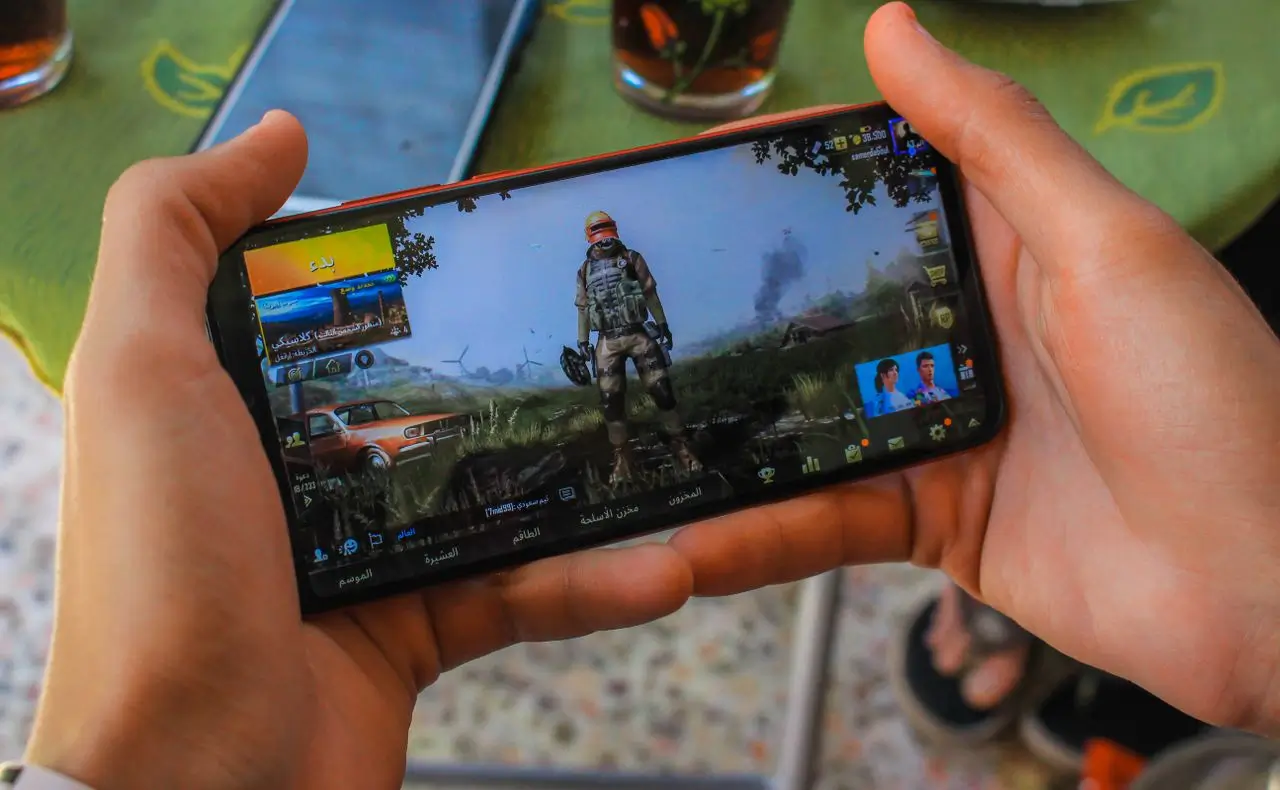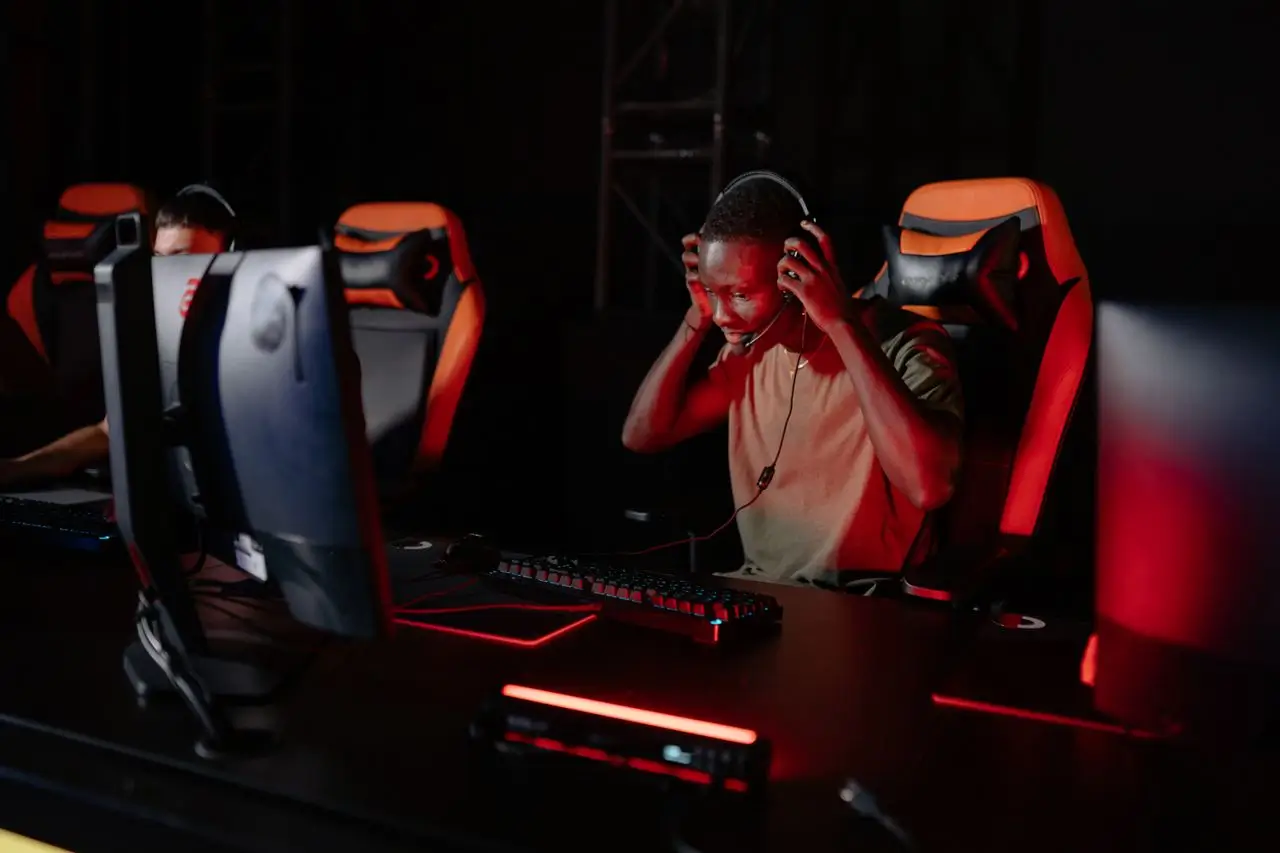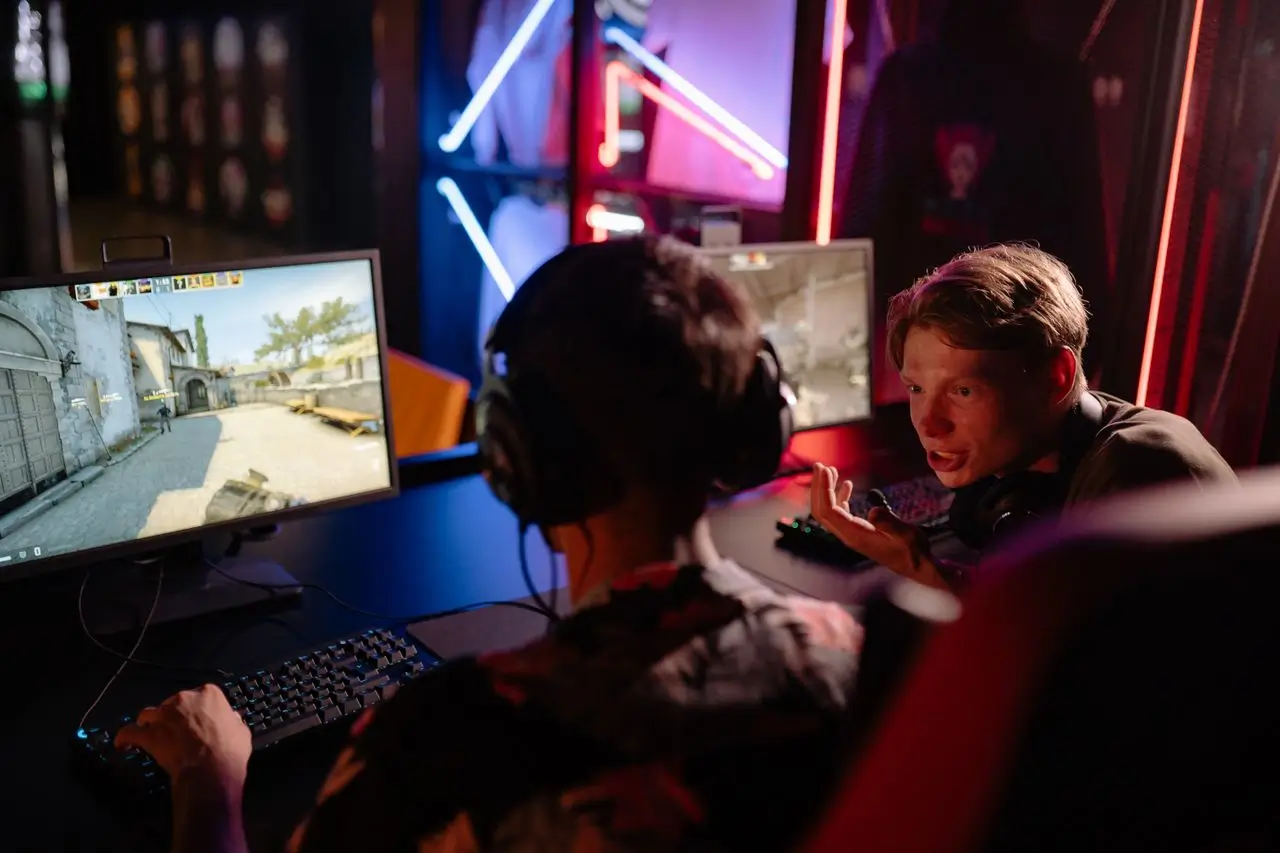

Online gaming and live streaming combine interactive entertainment, digital communication and online communities. Players can compete, cooperate and communicate through internet-connected games, while livestream viewers can watch gameplay and interact with broadcasters in real time.
These activities are now a major part of entertainment in the United States. The Entertainment Software Association reported in June 2026 that approximately 212.3 million Americans play video games each week. However, this is industry-reported data rather than an independent government estimate.
What Online Gaming Includes
Online gaming covers games that use an internet connection for gameplay, multiplayer features, account management, updates or downloadable content. It includes browser games, mobile apps, computer and console games, cooperative titles, competitive games and cloud-based services.
Payment models also differ. Some games require a one-time purchase or subscription, while others are free to access. However, free-to-play games may contain advertisements, virtual currencies, cosmetic products or randomized purchases. The initial price therefore may not represent the total cost of playing.
Online gaming is easier to access because games can be downloaded digitally and played on devices many people already own. However, modern titles may still require expensive hardware, large amounts of storage, paid subscriptions, controllers and reliable broadband.
Accessibility and Internet Requirements
Availability does not always mean accessibility. A game’s usability may depend on subtitles, readable text, color settings, remappable controls, screen-reader support, reduced-motion options and alternatives to repeated or rapid button inputs.
Internet quality can also affect participation. Cloud gaming may reduce local hardware and storage requirements by processing games on remote servers. However, latency, unstable connections and service interruptions can reduce performance.
Future technology may improve access for some users while creating additional expenses or technical barriers for others.
How Gaming Livestreams Work
A gaming livestream is a real-time broadcast that may include gameplay, spoken commentary, audience chat, polls, tutorials or competitive analysis. Unlike prerecorded videos, viewers can often ask questions and respond while the broadcast is happening.
People watch streams for entertainment, information, social interaction, competitions, speedrunning or demonstrations of game mechanics. Livestreams may show controls, pacing and technical problems more clearly than written descriptions.
However, streamers may use advanced equipment, paid items, early-access versions or experienced accounts. Their skills can also make difficult gameplay appear easier. A popular livestream should therefore be treated as one source of information rather than proof that a game is safe, suitable or high quality.
Sponsorships and Online Communities
Streamers may earn money through advertising, subscriptions, donations, virtual gifts, affiliate links and sponsorships. Developers may also provide free access, equipment or digital items.
The Federal Trade Commission states that material connections between endorsers and companies should be disclosed clearly. A disclosure helps viewers identify a commercial relationship, but individual claims should still be evaluated carefully.
Gaming communities can support communication, strategy sharing and technical assistance. They can also expose users to harassment, scams, misinformation, impersonation or pressure to spend money. Community safety depends partly on reporting tools, conduct rules and moderation practices.
Privacy, Security and Well-Being
Online games may collect account details, device information, gameplay records, communications and payment information. Players should review privacy settings, use unique passwords and enable multifactor authentication where available.
Mute, block and report tools may reduce unwanted communication. Parental controls can also help families manage content ratings, communication, play time and spending, although settings vary by device.
Gaming habits should not be evaluated only by hours played. Sleep disruption, uncontrolled spending, neglected responsibilities and continued gaming despite serious consequences may indicate a problem. The World Health Organization defines gaming disorder as impaired control, increased priority given to gaming and continued participation despite significant negative consequences.
Future Gaming Technology
Cloud processing, artificial intelligence, cross-platform systems and extended-reality devices may influence future gaming. Artificial intelligence may support testing, dialogue, moderation and content creation, but it also raises questions about copyright, training data, employment and creative control.
Virtual- and augmented-reality systems may offer new interaction methods while introducing costs, comfort concerns and physical-space requirements.
Conclusion
Online gaming and live streaming can provide entertainment, information and community participation. However, their benefits and risks vary across users, games and platforms.
A balanced evaluation should consider costs, accessibility, privacy, moderation, age suitability, commercial disclosures and technical requirements. The future of gaming will depend not only on technological advances but also on affordability, consumer protection and responsible platform practices.
Frequently Asked Questions
Online gaming refers to video games that use an internet connection for gameplay, communication, distribution, account services or updates. Some require a continuous connection, while others use online features only for selected functions.
Gaming live streaming is the real-time broadcasting of gameplay to an online audience. A broadcast may include commentary, audience chat, competitive coverage or demonstrations of game mechanics.
Research identifies entertainment, information seeking and social interaction among the reasons people watch. Motivations vary, and not every stream is educational or independently produced.
It can show controls, pacing and technical performance, but the broadcaster’s equipment, experience, account status and sponsorships may affect the presentation.
Payments, free products, affiliate links and other material relationships should be clearly disclosed. A disclosure identifies commercial involvement but does not verify every claim made in the broadcast.
No. Device support, operating systems, internet quality, storage, controls and accessibility settings vary by game and service.
It may reduce some local processing or storage needs, but users still require a compatible device, a stable connection and, in many cases, a subscription or controller.
No. Games may require specific forms of planning, timing or cooperation, but improvement within a game does not automatically transfer to unrelated real-world tasks.
It should identify the tested version and device, costs, technical requirements, accessibility, privacy, monetization, moderation and major limitations. Commercial relationships should also be disclosed.
Many devices provide parental controls for age-rated content, communication, purchases and play time. Settings vary by device and should be reviewed alongside account and privacy activity.
No. The World Health Organization’s definition focuses on impaired control, gaming taking priority over other activities and continued behavior despite significant negative consequences.
Cloud services, artificial intelligence, extended reality and cross-platform systems may affect development. Cost, internet infrastructure, privacy, accessibility, copyright and regulation will also influence adoption.